

Rethinking the Cellular Microenvironment
In vivo, cells do not live on plastic or glass — they thrive within a 3D extracellular matrix that provides mechanical and biochemical guidance
Yet, most organ-on-chip systems today still rely on flat microchannels
Flat Microchannels, Flat Biology
Conventional organ-on-chip systems restrict cells to two-dimensional growth, limiting morphology, function, and signal fidelity
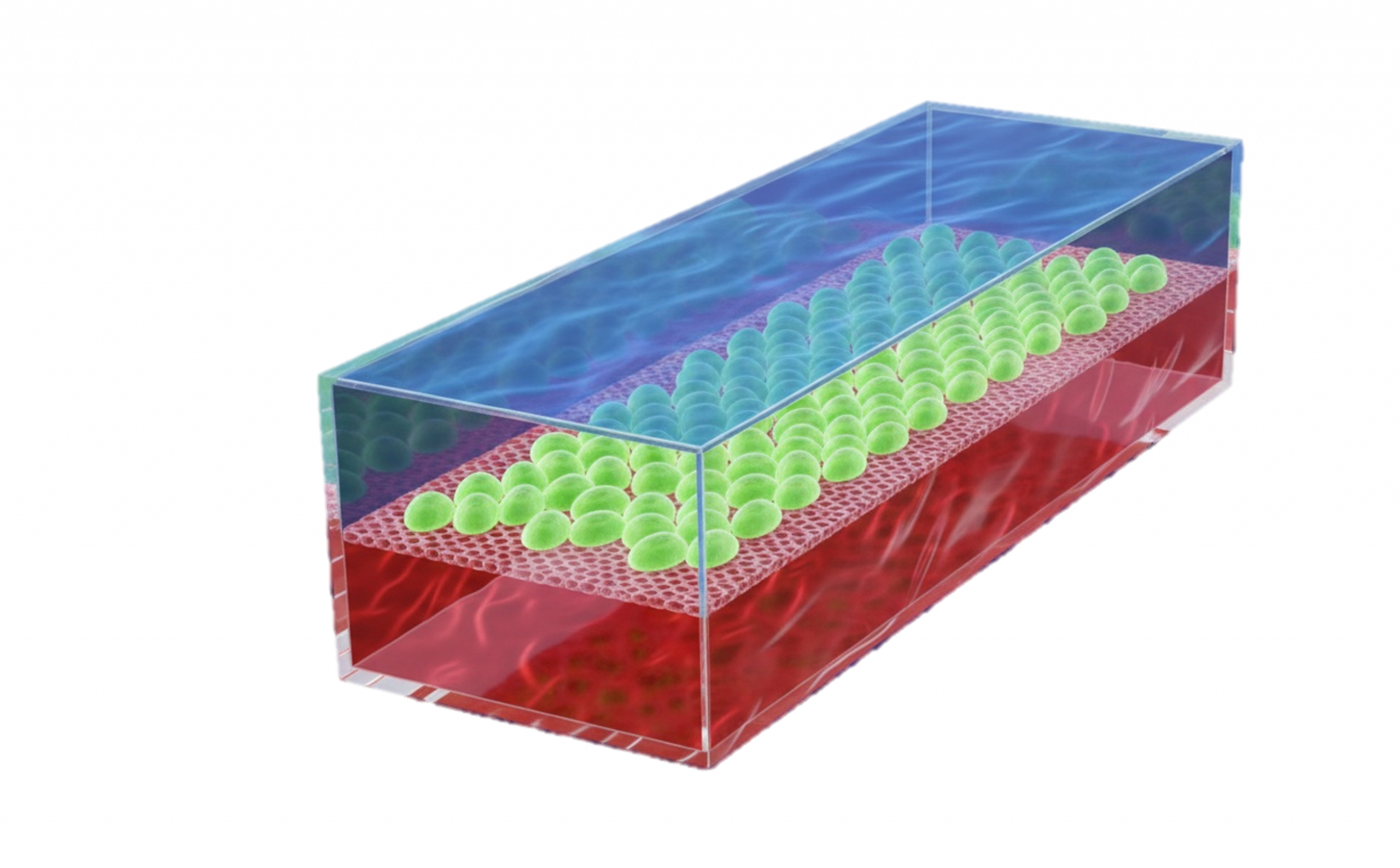
From Flat Channels to Living Microenvironments
Most organ-on-chip systems culture cells on flat channel walls, limiting their natural 3D shape and signaling.
In real tissues, cells exist in 3D — surrounded by dynamic flow, gradients, and mechanical cues.
Our 3D chip design combines tunable hydrogels and controlled perfusion, enabling cells to grow, align, and communicate as they do in vivo.
This shift transforms chips from fluidic devices into living microphysiological systems.
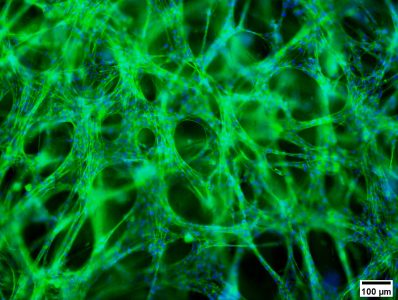
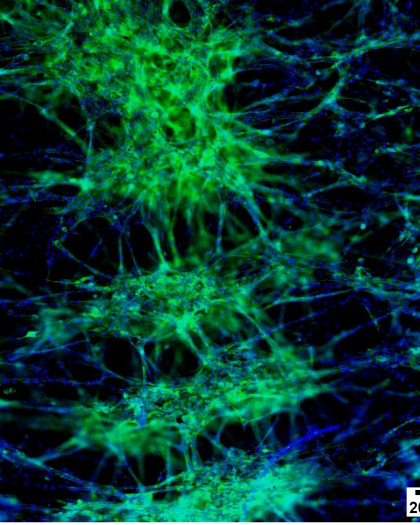
The material foundation of our living organ-on-chip systems.
OUR 3D TECHNOLOGY
ONE
Hydrogel Design
Tunable stiffness and degradability
Photocurable
biocompatible polymers
Adaptable for multiple tissue types
TWO
3D Micro-Architecture
Porous 3D bioprinted scaffold
Fiber-aligned scaffolds
Supports multicellular organization
Compatible with microprinting
THREE
Dynamic Flow Control
Controlled perfusion
Oxygen and nutrient balance
Enables mechanical cues
Integrated with microfluidics