

GelMA (75% Substitution)

High-purity Gelatin Methacryloyl (GelMA) with a 75% degree of substitution, specifically optimized for primary cell 3D culture and tissue engineering applications. Excellent batch-to-batch consistency ensures reliable and reproducible experimental outcomes. For research use only.

Price range: £27.00 through £1,350.00 excl. VAT

Description

GelMA (Gelatin Methacrylate)

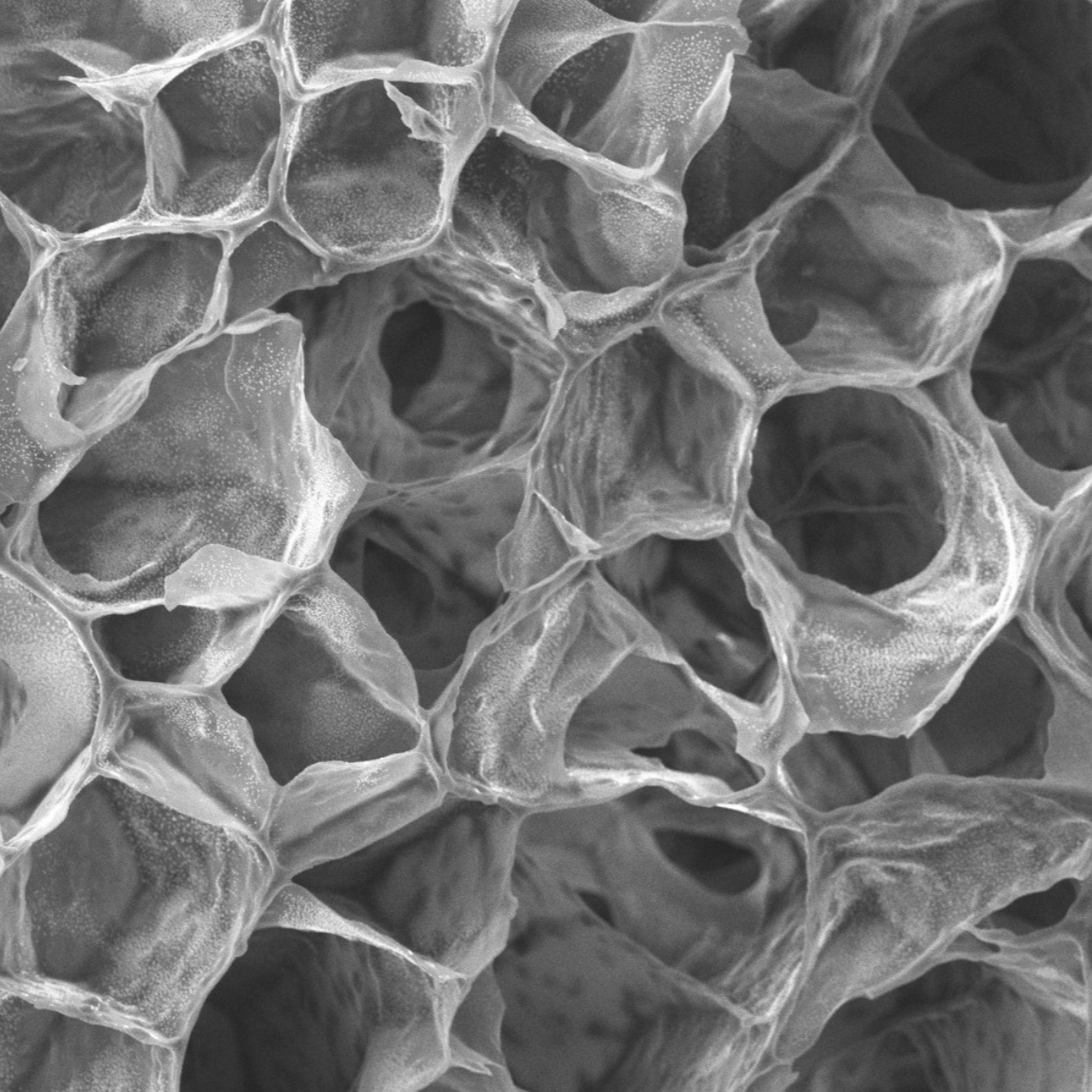
Green-chemistry–derived, photocrosslinkable hydrogel precursor widely used in 3D cell culture, bioprinting, and organ-on-chip applications. Our GelMA is synthesized with an optimized process that eliminates residual methacrylic anhydride, resulting in very low cytotoxicity and excellent biocompatibility. The material’s tunable mechanics and stress-relaxation behavior make it an ideal mimic of native extracellular matrix (ECM). For research use only.


Key Features

  • Green synthesis: no detectable methacrylic anhydride residue, minimizing cytotoxic effects.
  • Tunable mechanics: elastic modulus and stress-relaxation adjustable to replicate ECM properties.
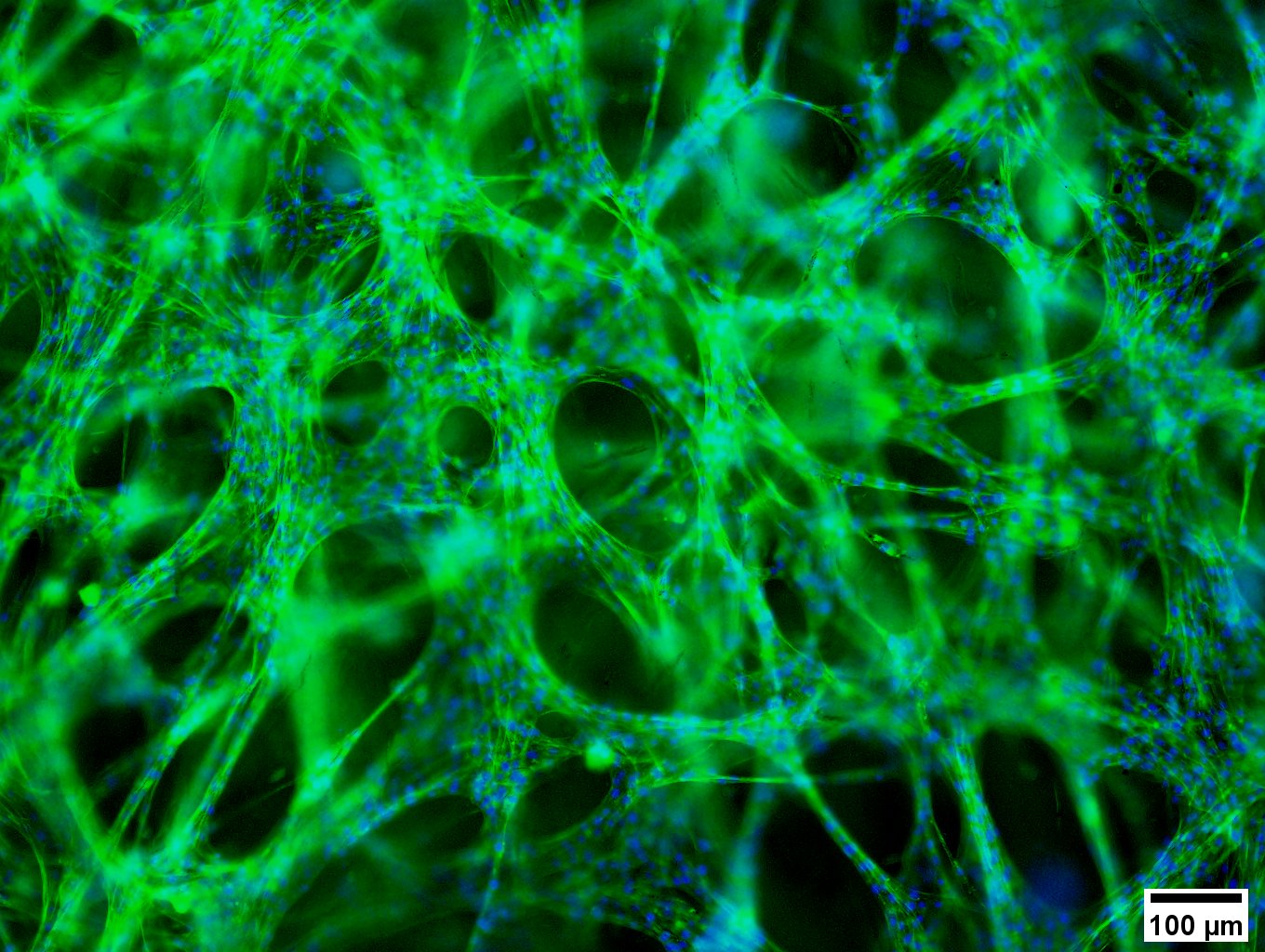
  • High biocompatibility: supports a broad range of primary cells, stem cells, and organoids.
  • Photocrosslinkable: compatible with LAP and Irgacure 2959 under 365–420 nm light.
  • Validated across systems: extensively tested for reproducible cell culture outcomes.

Molecular Substitution Level

Available in defined degrees of substitution (DoS) for precise control of hydrogel stiffness and bioactivity:

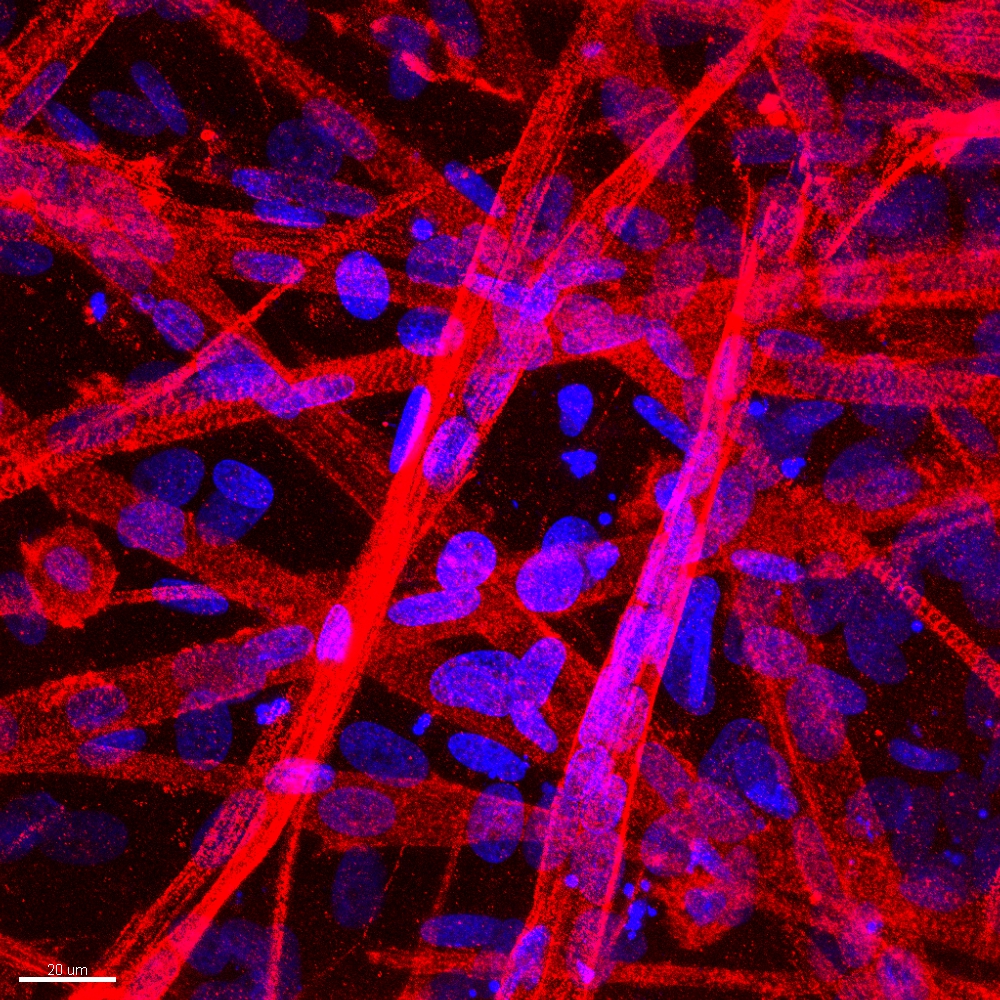
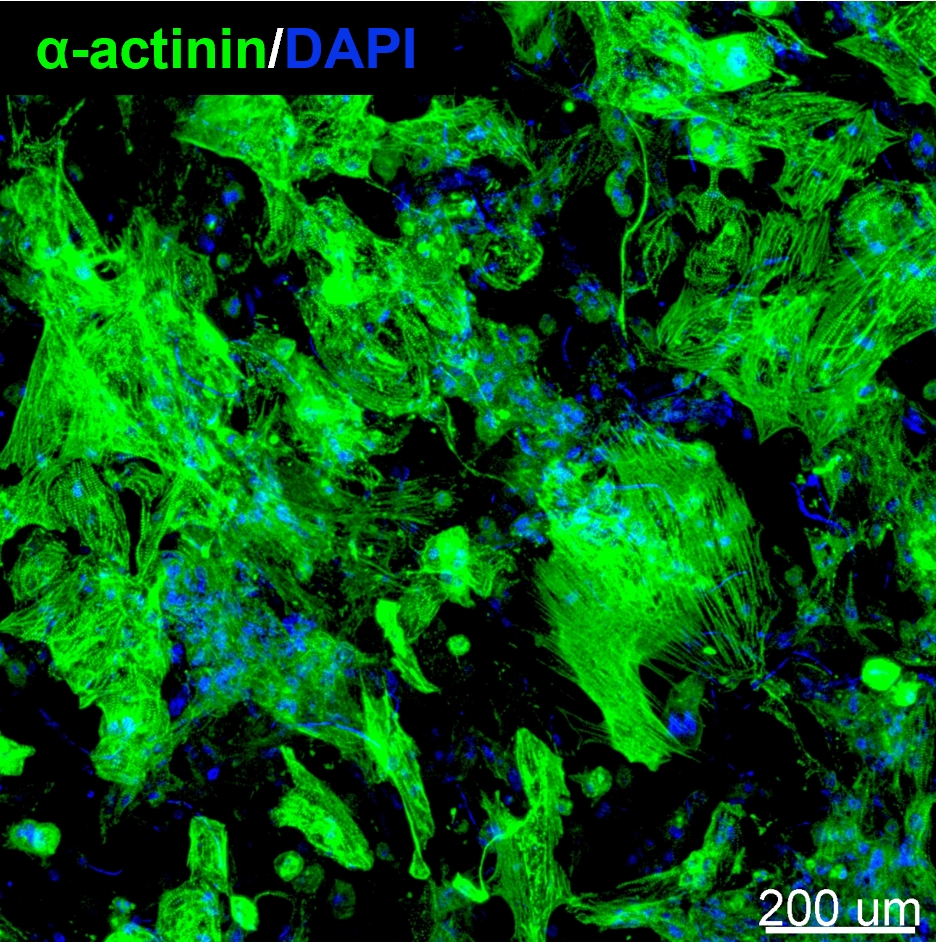
  • GelMA-75%: high substitution level (~75%). Provides stronger mechanical properties and slower degradation. Suitable for muscle, cardiac, and load-bearing tissue models.
  • Other DoS options available on request (e.g., ~50% for softer matrices or ~90% for stiffer scaffolds).


Specifications

PropertyDetails
Product nameGelatin Methacrylate (GelMA)
SourcePorcine skin gelatin, Type A
FormLyophilized powder
AppearanceWhite to off-white powder
Degree of substitution~75% (standard); custom levels available
Solubility

Water-soluble; dissolve in PBS or DI water at 37 °C

Typical Applications

  • 3D culture and encapsulation of mammalian cells
  • Organoid development and passaging
  • 3D bioprinting (extrusion, DLP, SLA)
  • Organ-on-chip and tissue-on-chip platforms
  • Regenerative medicine research (cardiac, skeletal muscle, cartilage)