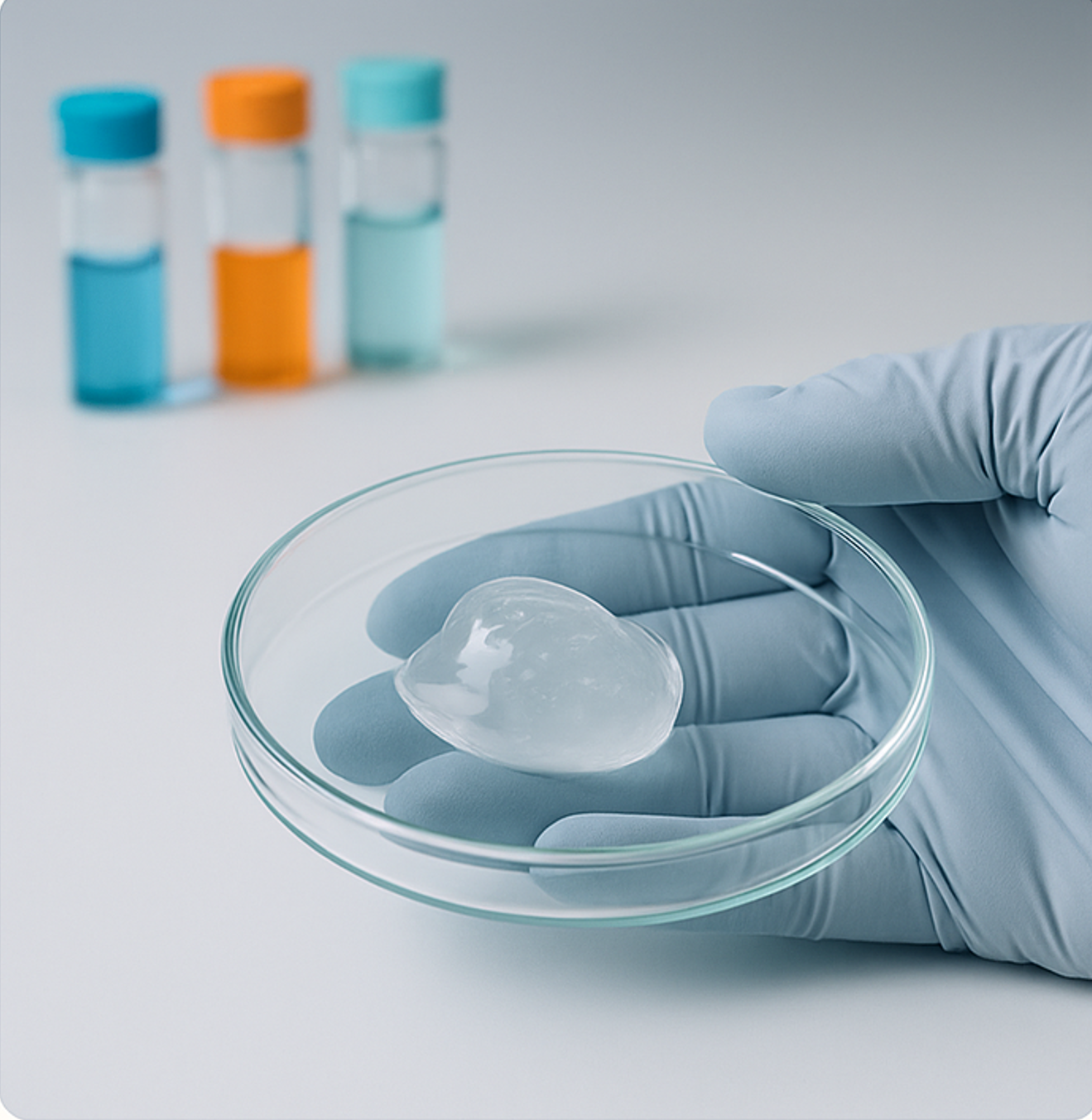
1. Optimized GelMA Synthesis
Gelatin methacryloyl (GelMA) is widely used in tissue engineering due to its intrinsic bioactivity and tunable mechanical properties.
However, conventional synthesis methods often result in significant batch-to-batch variations in the degree of methacrylation (DoM),leading to inconsistent hydrogel mechanics. We have refined the GelMA synthesis process to achieve highly reproducible DoM control,
reduced side reactions, and improved solubility. This ensures reliable hydrogel performance across different lots, thereby
supporting both academic research and translational applications.
2.Stress Relaxation Enables Dynamic culture Microenvironments
Native extracellular matrix (ECM) is not purely elastic, but viscoelastic, allowing time-dependent stress relaxation that profoundly
affects cellular mechanotransduction. Recent studies (2020–2024) highlight that stress relaxation dynamics regulate stem cell
fate, spreading, migration, and lineage-specific differentiation. Our GelMA hydrogels incorporate tunable viscoelasticity by
adjusting crosslinking density and secondary network interactions, enabling hydrogels that better replicate the in vivo
microenvironment. This provides cells with an adaptive and physiologically relevant matrix, enhancing reproducibility in organoid
culture and disease modeling.
3. Tunable Mechanics for Diverse Applications
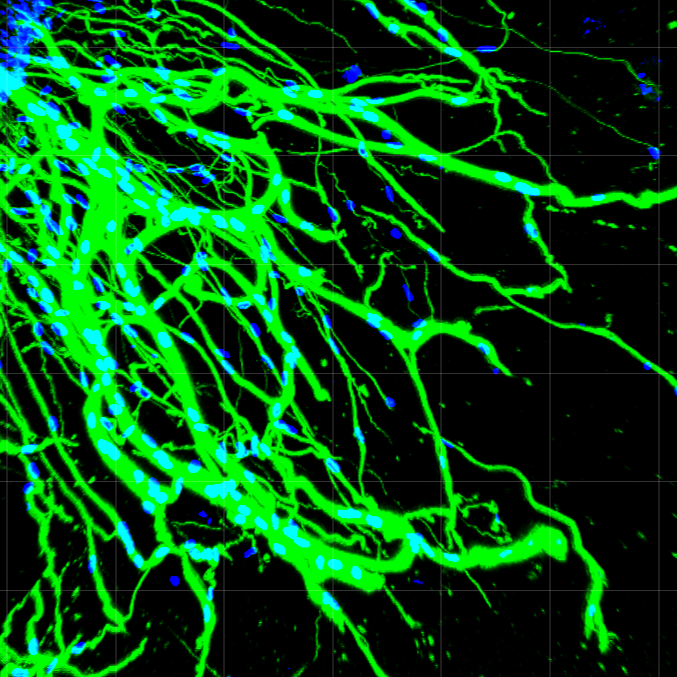
Different tissues demand distinct mechanical environments — neural tissue requires soft matrices (~0.5–1 kPa), while cartilage or
bone models require stiffer hydrogels (>30–50 kPa). Our GelMA platform provides precise stiffness tuning through
concentration control, photo-crosslinking conditions, and blending with other methacrylated polymers. This flexibility allows
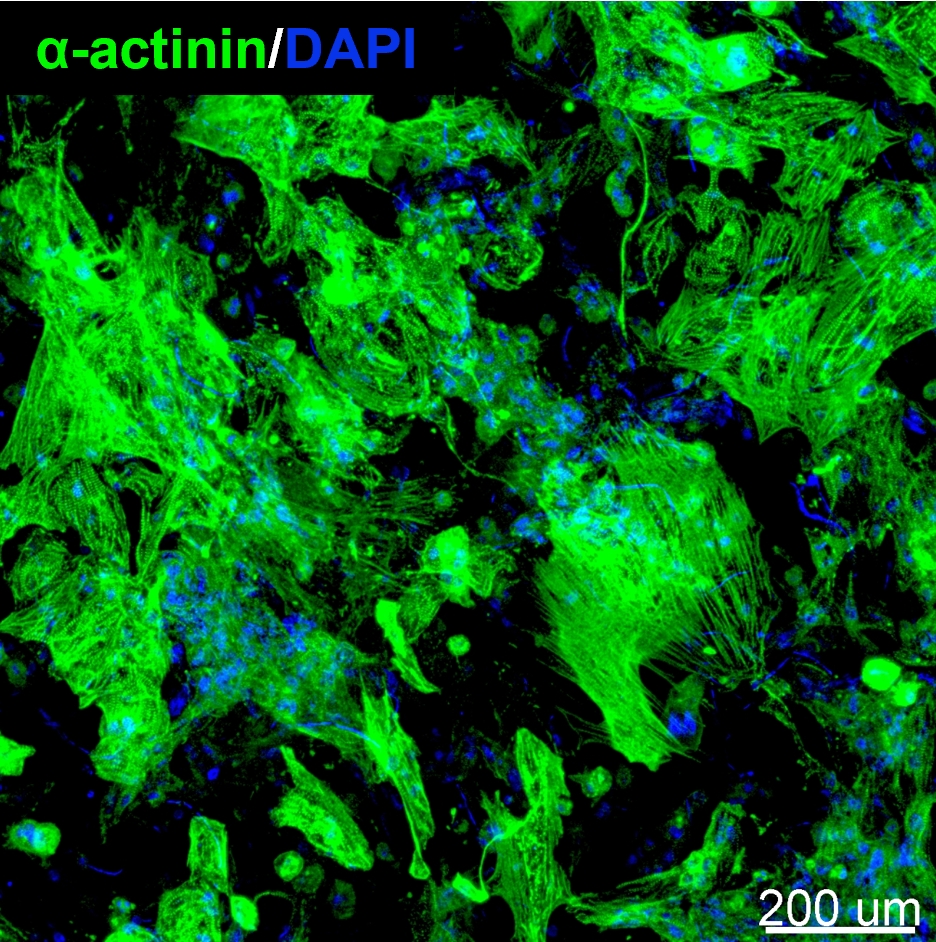
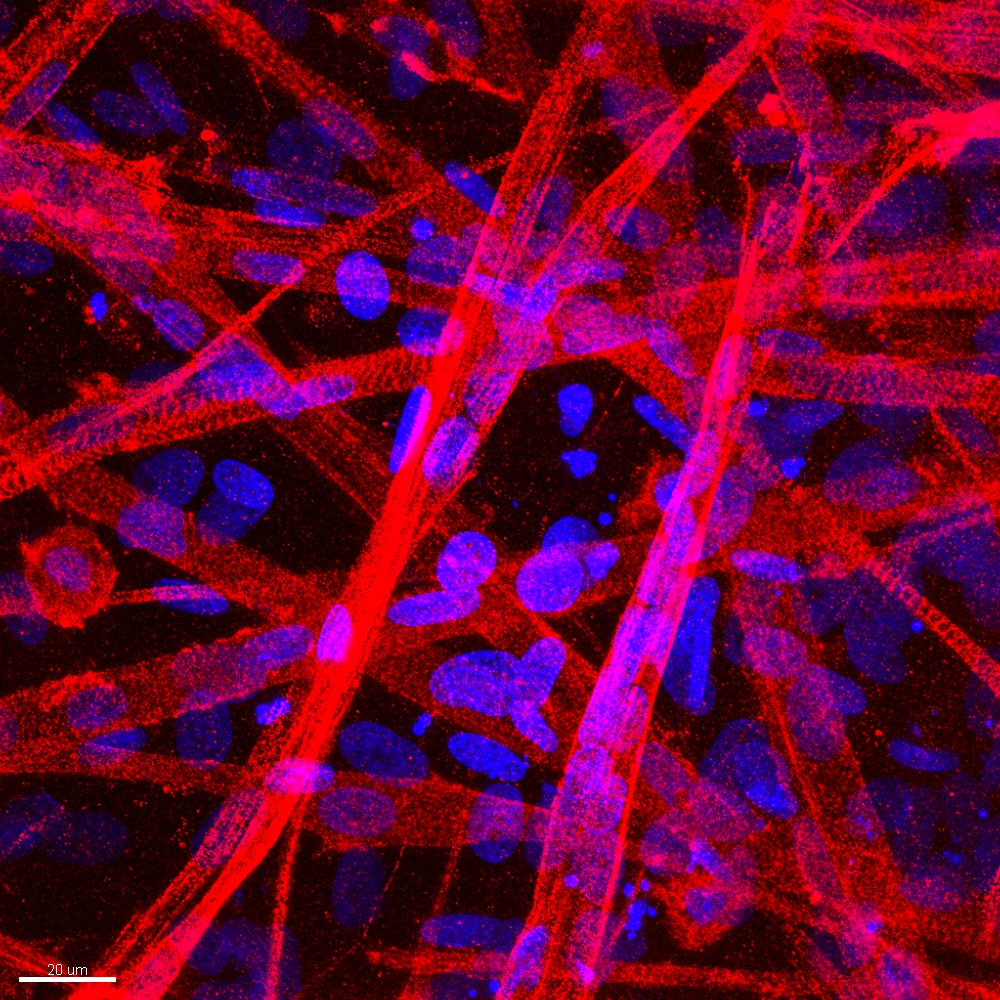
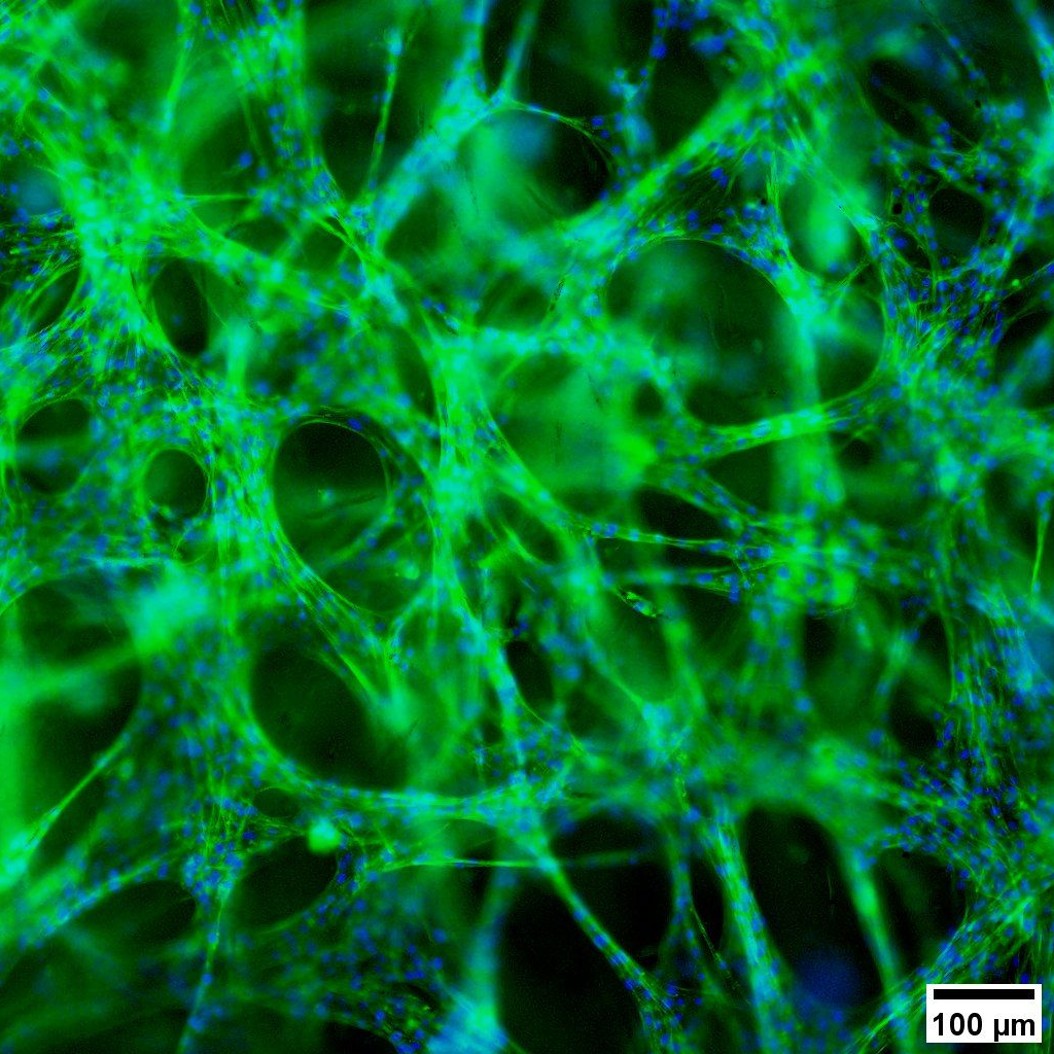
GelMA hydrogels to support a broad spectrum of applications, ranging from in vitro neural network studies, vascular models,
to high-load musculoskeletal constructs. Furthermore, tunable degradation rates allow synchronization of matrix remodeling with
cellular activity.
4. Expanded Hydrogel Portfolio & Custom Synthesis
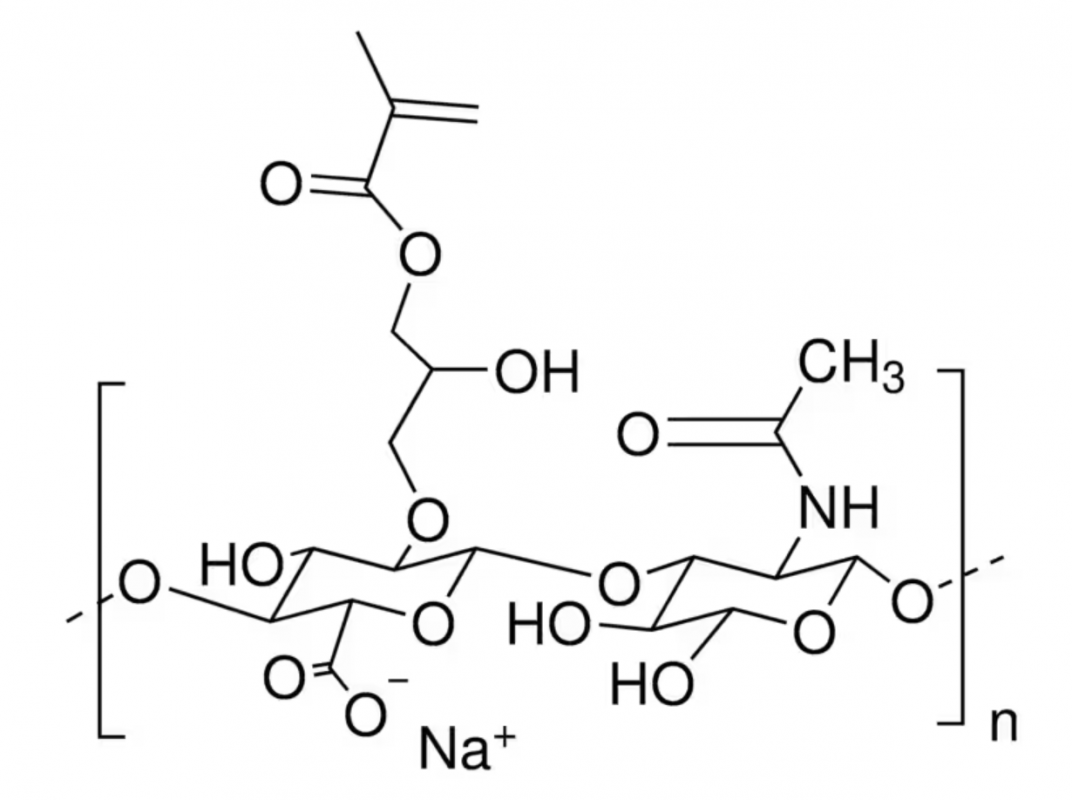
While GelMA is our flagship product, our portfolio extends to AlgMA, DexMA, HA-derivatives (HAD), FITC-GelMA, and
Rhodamine-GelMA, providing options for functional imaging, drug delivery, and organ-on-a-chip applications.
In addition, we offer custom hydrogel synthesis services, where clients can specify mechanical range, degradation profile,
functional group density, and even fluorescent labeling. Through a one-to-one consultation process, we co-design hydrogels that
precisely fit experimental and translational needs, ensuring high impact and reliability.